

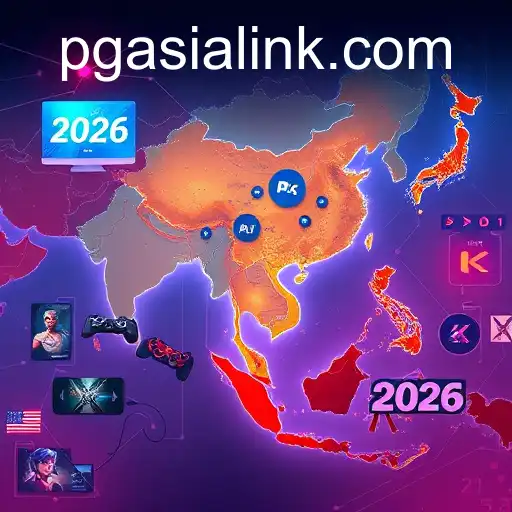

The gaming landscape in Asia, often seen as a bellwether for global gaming trends, is undergoing a fascinating transformation in 2026. As one of the most dynamic sectors in the entertainment industry, Asia's gaming market not only contributes significantly to the economy but also shapes the global gaming narrative. With the rise of innovative technologies, changes in consumer behavior, and a strong focus on mobile gaming, the Asian market is poised for further growth.
A key driver of this evolution is the significant increase in e-sports popularity. E-sports' growth in Asia has been nothing short of phenomenal, with local and international tournaments drawing massive audiences and generating substantial revenue. Countries like South Korea, China, and Japan lead the charge, but other nations like Vietnam, Thailand, and the Philippines are quickly catching up, thanks to investments in infrastructure and talent development.
Moreover, the integration of artificial intelligence and virtual reality into gaming is redefining user experiences. Game developers in Asia are at the forefront of utilizing these technologies to create immersive and interactive environments. This not only enhances player engagement but also broadens the demographic reach of gaming. The incorporation of AI and VR in games has also led to more personalized gaming experiences, catering to diverse player preferences and thus expanding market potential.
Mobile gaming continues to dominate, especially with the increasing penetration of smartphones and improved internet connectivity across the continent. Companies are investing heavily in mobile-first game designs tailored to the preferences of Asian gamers. As a result, many global gaming companies are shifting their focus to Asia, aiming to tap into this lucrative market with localized content and culturally relevant themes.
Despite these opportunities, challenges remain, including regulatory landscapes that vary significantly across countries. However, this has not dampened the enthusiasm of investors and developers eager to capitalize on Asia's appetite for gaming. Stakeholders are actively engaging with policymakers to navigate these challenges and ensure sustainable growth in the region.
As we move further into 2026, the gaming industry in Asia is set to keep riding the wave of change, heavily influenced by global trends. The region's ability to adapt and innovate will undoubtedly continue to set the pace for the global gaming industry, with all eyes keenly watching the developments in this pivotal market.

An exploration into the evolving gaming landscape and Pgasia's impact on global markets.

As global interest in online gaming surges, Pgasia emerges as a key player providing unique experiences to its users.

Exploring PGAsia's impact on the gaming industry and technological advancements in 2025.

Exploring the impact of Asia on global gaming trends and how platforms like PGAsia are leading the charge.

Exploring the dynamic landscape of the online gaming world with a focus on platforms like pgasia and the rising prominence of e-sports.

Exploring how PGAsia continues to shape the global gaming landscape amidst evolving trends and industry dynamics.
